

Garage Door Seals and Weatherstripping Options
Quick Answer What Are the Different Types of Garage Door Seals? Garage door weatherstripping includes bottom seals (vinyl, rubber, or brush types), threshold seals, side and top seals, and garage door stop molding. Replace weatherstripping when you notice drafts, visible cracks, moisture intrusion, increased energy bills, or pest entry. Quality seals prevent water damage, improve energy efficiency, reduce noise, and extend garage door lifespan by protecting against weather elements. Upgrading your garage door’s perimeter is one of the most effective ways to improve your home’s energy efficiency instantly. A proper seal creates a clean, dry and comfortable environment, allowing you […]
Read MoreSide-Hinged vs. Overhead Garage Doors: Which Is Right for You?
Quick Answer What’s the Difference Between Side-Hinged and Overhead Garage Doors? Side-hinged garage doors open outward like traditional doors, offering easier pedestrian access and no ceiling track requirements, but need front clearance. Overhead doors roll up vertically, maximizing parking space, providing better insulation and security, and costing less to automate. Choose side-hinged for traditional aesthetics and frequent pedestrian use, or overhead for modern convenience, space efficiency, and automated operation. Upgrading your garage door is a fantastic way to boost curb appeal and customize how you use your space. When looking at a side-hinged and overhead garage doors comparison, both styles […]
Read MoreUnderstanding Garage Door Warranties
Quick Answer What Does a Garage Door Warranty Cover? Garage door warranties typically cover manufacturing defects, component failures, and finish degradation for one to ten years depending on the manufacturer and door quality. Coverage usually excludes normal wear and tear, improper installation, lack of maintenance, accidental damage, and weather-related issues. Read warranty terms carefully, register your door, keep purchase documentation, and schedule required annual maintenance to maintain coverage validity. A new garage door or major repair is a significant investment. Crawford Door Sales is here to demystify standard coverage and explain how working with reputable professionals provides the cover you […]
Read MoreGarage Doors That Can Withstand Extreme Weather
Quick Answer What Type of Garage Door Is Best for Extreme Weather? Protect your garage door from extreme weather by choosing wind-rated doors for hurricanes, insulated doors with weather stripping for cold climates, rust-resistant materials for coastal areas, and impact-resistant panels for hail-prone regions. Install reinforcement kits for high winds, maintain weather seals regularly, and consider smart openers that alert you to temperature changes or door status during severe weather events. With Minnesota’s harsh winters, high winds and rapid temperature swings, choosing the right garage door involves more than appearance alone. Garage doors that can withstand extreme weather protect your […]
Read MoreWood vs. Steel Garage Doors: Which Material Fits Your Home Best?
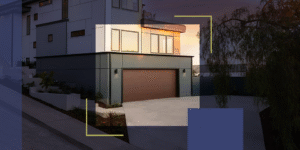
Quick Answer Should I Choose a Wood or Steel Garage Door? Wood garage doors offer natural beauty, customization, and insulation but require regular maintenance, refinishing, and cost more upfront. Steel doors provide superior durability, low maintenance, better security, energy efficiency with insulation, and lower costs, but can dent and may rust without protective coatings. Choose wood for traditional aesthetics or steel for modern convenience and long-term value. Choosing the right garage door material plays a major role in curb appeal, durability and long-term value. When comparing wood vs. steel garage doors, homeowners often weigh appearance against maintenance, cost and performance […]
Read MoreHow the Right Garage Door Can Reduce Your Monthly Energy Bills
Quick Answer Can an Insulated Garage Door Lower Energy Costs? Energy-efficient garage doors reduce monthly bills through high R-value insulation (R-12 to R-18 for residential use), polyurethane or polystyrene cores, multilayer steel or aluminum construction, weather stripping, bottom seals, and thermal breaks that prevent heat transfer. An insulated garage door creates a thermal barrier that stabilizes indoor temperatures, reduces HVAC strain, and lowers utility costs, especially for attached garages. If you’re looking for ways to improve your home’s energy efficiency, consider starting with your garage door — it’s a key area for potential savings. As one of the largest openings […]
Read MoreHow to Convert Your Garage Into a Workspace
Quick Answer How Do I Turn My Garage Into an Office? To convert your garage into a workspace, check zoning laws and obtain permits, insulate walls and the garage door, update flooring from concrete, ensure adequate WiFi coverage, install proper lighting including windowed garage doors, add heating and electrical systems, and design an efficient office layout. This creates functional workspace for remote work or side businesses while maintaining home comfort. Whether you work from home or start a side hustle, converting your garage into an office or workspace maximizes your home’s functionality. If your garage has become a place of […]
Read MoreWhat Is the Average Lifespan of a Garage Door?
Quick Answer How Long Does a Garage Door Last? Garage doors typically last 15 to 30 years depending on weather exposure, usage frequency, maintenance schedule, and door quality. To extend your garage door’s lifespan, replace worn parts regularly, lubricate moving components, monitor spring cycles, clean the exterior based on material type, and schedule annual professional maintenance. Proper care prevents costly emergency repairs and maximizes your investment. Every central feature of your home has an average lifespan before you’ll have to replace it. Elements like your roof, water heater, heating and air unit, electrical panel and garage door have lifetimes you […]
Read MoreHow to Keep Your Pet Safe Around Garage Doors
Quick Answer Can a Garage Door Hurt or Kill My Pet? Keep pets safe around garage doors by using doors as recommended, checking above the door before closing, scheduling routine maintenance, never tying pets to the door, testing motion sensors regularly, and training pets with obedience commands. While automatic garage doors have safety sensors that auto-reverse when detecting objects, combining proper usage with pet training ensures maximum protection. As a pet parent, you do everything to keep your pets safe. You keep them away from dangerous foods and protect them from safety hazards. If your pets make frequent trips to […]
Read MoreHow to Open a Garage Door When the Power Is Out
Quick Answer How Do I Manually Open My Garage Door Without Power? Open your garage door during a power outage by pulling the red emergency release cord (usually near the motor), then manually lifting the door. To close, lower the door manually and reconnect the trolley to the opener when power returns by pulling the cord toward the motor. Some smart openers include battery backup for automatic operation during outages. Automatic garage doors offer a significant advantage — when bad weather strikes, you can avoid the outdoors and move your vehicle inside with the click of a button. Knowing how […]
Read More